How to Prevent Freight Theft — From Tracking Tech to Carrier Vetting
December 22, 2025
Freight theft is one of the most costly and disruptive challenges in the logistics and transportation industry today. With rising cargo values, increasing shipment volumes, and more complex supply chains, criminals are finding new ways to exploit vulnerabilities. From organized cargo theft rings to cyber-enabled fraud, the risks are evolving rapidly. For shippers, carriers, and logistics providers, preventing freight theft is no longer optional—it’s essential for protecting revenue, maintaining customer trust, and ensuring smooth operations. This guide explores practical, modern strategies to prevent freight theft, focusing on two critical areas: advanced tracking technology and thorough carrier vetting, along with supporting best practices.
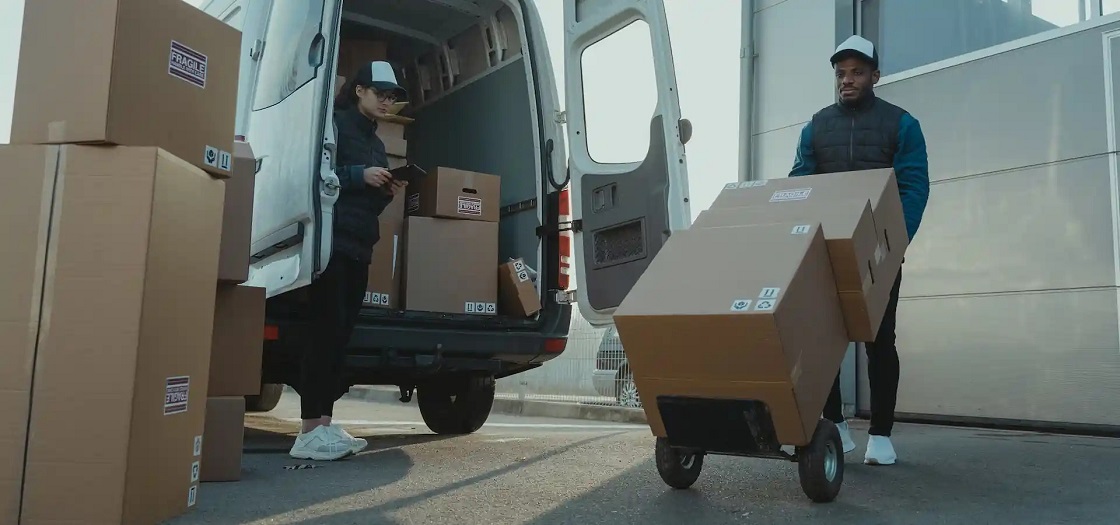
Understanding the Growing Threat of Freight Theft
Freight theft occurs in many forms, including cargo theft, identity theft, double brokering, phishing scams, and load hijacking. Criminals often target high-value goods such as electronics, pharmaceuticals, food products, and consumer goods. Theft can happen at rest stops, warehouses, ports, rail yards, or even digitally through fake carrier identities.
The consequences go far beyond the value of the stolen goods. Delays, insurance claims, damaged client relationships, legal disputes, and reputational harm can all follow a single incident. Prevention is far more cost-effective than recovery.
The Role of Tracking Technology in Theft Prevention
1. Real-Time GPS Tracking
Real-time GPS tracking is one of the most powerful tools for preventing freight theft. Modern tracking systems allow logistics teams to monitor shipments continuously from pickup to delivery.
Key benefits include:
-
Immediate alerts for route deviations
-
Visibility into vehicle location at all times
-
Faster response in case of suspicious activity
If a truck suddenly stops in an unauthorized area or deviates from its planned route, dispatchers can take action immediately—often before theft occurs.
2. Geofencing for High-Risk Zones
Geofencing allows companies to create virtual boundaries around specific locations such as warehouses, ports, or delivery zones. When a vehicle enters or exits these zones unexpectedly, the system triggers an alert.
This is especially useful for:
-
Preventing unauthorized unloading
-
Monitoring high-theft areas
-
Ensuring compliance with planned routes
Geofencing adds an extra layer of intelligence to tracking systems and helps identify problems in real time.
3. IoT Sensors and Smart Seals
Internet of Things (IoT) devices have transformed freight security. Smart seals, door sensors, and temperature sensors can detect tampering, unauthorized door openings, or environmental changes.
These tools are particularly valuable for:
-
High-value or sensitive cargo
-
Pharmaceutical and food shipments
-
Long-haul transportation
Any unusual activity triggers alerts, allowing immediate investigation and response.
4. Data Analytics and Predictive Risk Management
Advanced logistics platforms now use data analytics to identify theft patterns. By analyzing historical data, companies can predict high-risk routes, time windows, and locations.
This helps in:
-
Planning safer routes
-
Scheduling deliveries at lower-risk times
-
Allocating extra security for vulnerable shipments
Technology doesn’t just react—it helps prevent theft before it happens.
Carrier Vetting: The First Line of Defense
While technology is critical, the human element remains one of the biggest vulnerabilities in freight theft. Many theft incidents occur due to fraudulent or unverified carriers. That’s why strong carrier vetting is essential.
5. Verify Carrier Credentials Thoroughly
Before assigning a load, always verify the carrier’s:
-
MC number and DOT registration
-
Insurance coverage and validity
-
Operating authority status
-
Company address and contact details
Use trusted databases and cross-check information carefully. Fraudsters often use cloned MC numbers or slightly altered company names.
6. Watch for Red Flags in Communication
Suspicious behavior during booking is often an early warning sign. Be cautious if a carrier:
-
Pushes aggressively for quick booking
-
Avoids phone calls and prefers messaging only
-
Uses free or mismatched email domains
-
Requests last-minute changes to pickup details
Training staff to recognize these red flags can prevent costly mistakes.
7. Implement a Secure Carrier Approval Process
A standardized carrier onboarding process helps reduce risk. This should include:
-
Document verification
-
Identity confirmation
-
Insurance validation
-
Internal approval before load assignment
Avoid bypassing this process, even during peak seasons when capacity is tight. Speed should never compromise security.
Operational Best Practices to Reduce Theft Risk
8. Limit Information Sharing
Only share essential shipment details with verified parties. Overexposing information—such as cargo type, value, or delivery schedules—can increase theft risk.
Internally, restrict access to sensitive data based on job roles.
9. Use Secure Parking and Planned Stops
Many thefts occur when trucks are parked overnight. Encourage carriers to:
-
Use secure, well-lit parking areas
-
Avoid unplanned stops
-
Follow approved stop locations
Providing drivers with clear guidance helps reduce vulnerability on the road.
10. Train Teams and Drivers Regularly
Technology and policies are only effective if people know how to use them. Regular training should cover:
-
Fraud awareness
-
Secure communication practices
-
Emergency response procedures
-
Technology usage
A well-informed team is one of the strongest defenses against theft.
The Importance of Rapid Response
Despite best efforts, incidents can still occur. Having a rapid response plan is crucial. This should include:
-
Immediate communication with law enforcement
-
Quick coordination with tracking providers
-
Internal escalation protocols
-
Insurance notification procedures
The faster you respond, the higher the chances of recovery and damage control.
Building a Culture of Freight Security
Preventing freight theft isn’t a one-time effort—it’s an ongoing strategy. Companies that succeed treat security as part of their culture, not just a checklist item. By combining advanced tracking technology, rigorous carrier vetting, and strong operational discipline, logistics providers can significantly reduce theft risks.
In a competitive logistics landscape, protecting cargo also protects your reputation, your customers, and your long-term growth.
Final Thoughts
Freight theft is becoming more sophisticated, but so are the tools to prevent it. Investing in technology, tightening carrier vetting, and training teams consistently can make a measurable difference. Proactive prevention today saves significant losses tomorrow.
At Red Ball Express Logistics, security, transparency, and reliability are at the core of every shipment—because safe freight is smart freight.