Tariffs May Reduce Import Freight Volumes
February 25, 2026
In 2026, U.S. tariff policy has become one of the most significant influencers of freight and logistics demand — particularly at major ports and across the trucking industry. New “global tariffs” implemented in early 2026 are expected to reshape how cargo moves into the United States, with direct implications for trucking demand, supply chains, and trade volumes. Import cargo volumes are projected to slow down, and some sectors of the logistics industry may experience reduced demand as uncertainty continues.
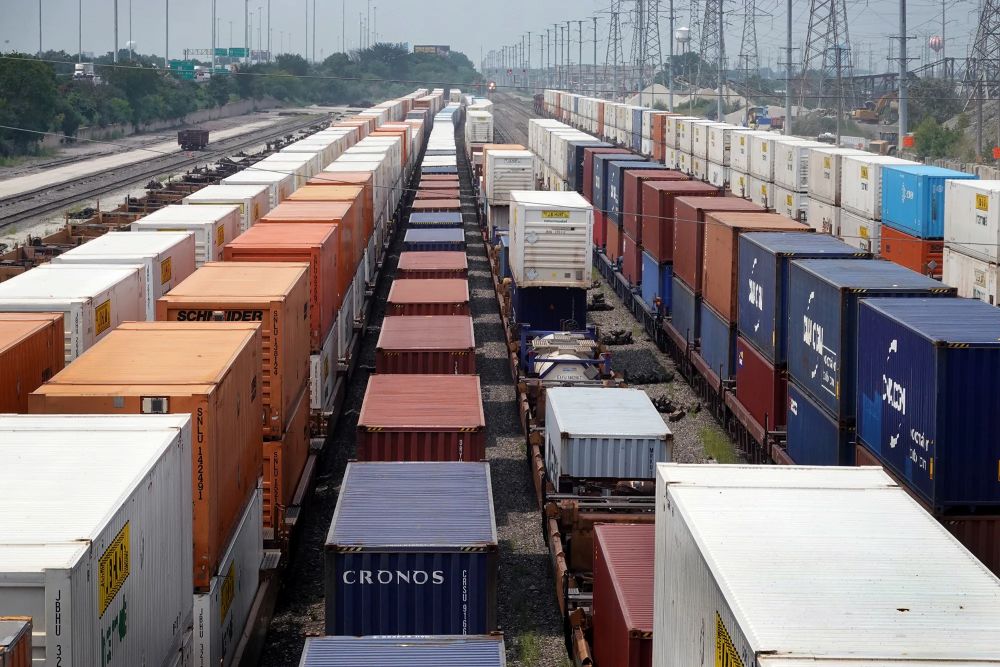
What’s Happening with U.S. Tariffs in 2026?
In February 2026, the United States began collecting a 10% global tariff on imports under a temporary authority while a longer-term policy is negotiated. The White House has signaled potential rises to 15%, but for now the 10% level is active, adding immediate costs on imported goods arriving at American ports.
This tariff environment creates import cost inflation and adds operational uncertainty for shippers, importers, and the logistics chain that moves goods inland — including the trucking industry and rail carriers.
Tariffs and Import Cargo Volumes
Import Slowdowns at Major Ports
One of the clearest indications of tariff impact is the decline in containerized imports at the nation’s busiest ports. Reports from industry analysts and tracking services show that container volumes have softened as importers hold off on shipments because of tariff uncertainty.
Even though some past tariff announcements triggered temporary frontloading — where importers shipped goods early to avoid future tariff increases — that surge has since faded, and recent months have shown a year-over-year decline in port cargo volumes.
For example, data from late 2025 indicated import drops of several percentage points across key ports, especially in goods from China and Southeast Asia — important sources of consumer products, electronics, and business inputs.
Impact of Policy Uncertainty
Tariff uncertainty itself — not just the tariff levels — is a major factor slowing imports. Many companies are postponing decisions on ordering, production, and freight booking until there is more clarity on long-term trade policy. This “wait-and-see” stance suppresses immediate port activity and reduces cargo that would otherwise be moved by trucks and rail.
How Tariff-Driven Port Volume Changes Affect Trucking
Drayage and Intermodal Trucking Demand
The first step in the logistics chain after a container ship arrives is drayage — trucking containers from the port to rail yards, warehouses, or distribution centers. When import volumes fall, drayage demand drops immediately. This can lead to less utilization of truck assets and slower throughput for logistics providers operating around port hubs.
Similarly, intermodal trucking — which moves containers from ports to rail or inland hubs — also sees reduced traffic with lower port activity. Since intermodal’s volume depends heavily on the flow of imports, fewer containers mean fewer loads for intermodal carriers and associated trucking segments.
Impact on Line Haul Trucking
Long-distance freight movements by truck are influenced by overall freight volumes across supply chains. When importer demand drops — whether before or after ports — load orders on trucks for long-haul movement decline. Industry data shows that after tariff announcements, truckload volume indexes fell year-over-year, signaling weaker freight market demand.
This translates into lower utilization rates, downward pressure on freight rates, and reduced mileage for trucks, affecting carriers’ revenue. For owner-operators and small fleets, reduced load opportunities can significantly impact profitability.
Broader Supply Chain & Economic Impacts
Economic Slowdown Signals
The tariffs and trade policy uncertainty contribute to broader economic signals that affect freight demand. Higher costs on goods often push prices up for consumers, which can dampen retail demand. With weaker consumer spending, businesses reduce imports, and freight volume softens — accentuating the slowdown in logistics activity.
Secondary Port Strain
Larger ports sometimes benefit from cargo consolidation when smaller ports lose volume due to tariff risk, but overall system demand still shrinks. Reports indicate that secondary ports across the U.S. are particularly strained, losing traffic as shippers funnel cargo through major hubs that can better manage uncertainty and capacity risk.
Impact on Related Industries
Reduced freight movement affects railroads, warehouses, and intermodal facilities, creating ripple effects throughout the supply chain. Rail carriers may see lower intermodal volumes; warehouses experience slower throughput; and truck equipment purchases may decline as carriers postpone investment due to slower business prospects.
Industry Response & Forecasts
Adaptive Strategies by Shippers
Some shippers and carriers are adjusting by:
-
Diversifying sourcing to non-tariff regions to avoid cost penalties.
-
Frontloading cargo ahead of tariff changes — though this effect tends to create short-lived volume spikes followed by deeper slowdowns.
-
Enhancing supply chain flexibility by expanding inventory buffers or leveraging alternative transport routes.
Market Predictions
Most analysts expect tariff uncertainty to continue influencing freight volumes into 2026. Port volumes may remain lower than historical norms until long-term trade policies are resolved and importer confidence returns. Domestic freight indexes suggest persistent softness, particularly in sectors tightly tied to imported consumer goods and manufacturing inputs.
Conclusion
U.S. tariff policy has a profound effect on import cargo volumes, especially at major ports. With cargo volumes decreasing or slowing due to tariff costs and uncertainty, the ripple effect moves quickly from port terminals to the trucking industry and beyond. Lower freight demand translates into fewer port pickups, less drayage work, subdued intermodal traffic, and diminished long-haul freight opportunities. Businesses throughout the logistics chain must adapt to these shifts — balancing risk, cost, and capacity planning — as trade policy remains in flux.