Dry Van vs Reefer vs Flatbed: Which Is Right for Your Freight?
February 19, 2026
In the U.S. transportation industry, selecting the right trailer type is critical for ensuring safe delivery, controlling costs, and maintaining operational efficiency. Every shipment has unique requirements based on cargo type, size, weight, and environmental sensitivity. Using the wrong equipment can lead to product damage, delays, or unnecessary expenses. The three most commonly used trailer types in freight transportation are dry van, refrigerated (reefer), and flatbed. Each serves a different purpose and is designed to handle specific types of cargo. Understanding their differences can help shippers make informed decisions and improve supply chain performance.
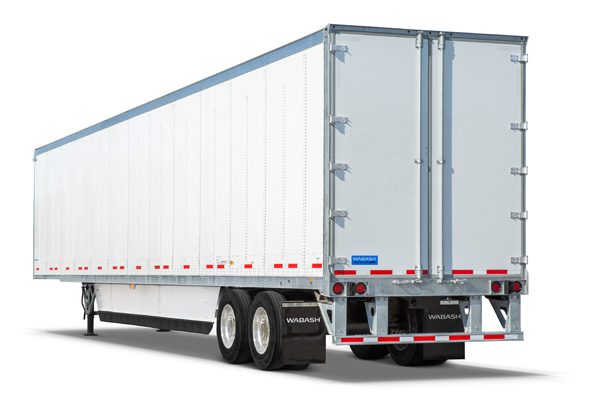
Dry Van: The Most Versatile Freight Solution
Dry van trailers are the most widely used equipment in the U.S. logistics market. These fully enclosed trailers protect cargo from weather conditions, road debris, and theft, making them ideal for general freight.
A standard dry van is typically 53 feet long and designed to transport palletized or boxed goods that do not require temperature control.
Common Dry Van Shipments
-
Consumer packaged goods
-
Electronics and appliances
-
Clothing and retail inventory
-
Furniture
-
Non-perishable food items
-
Automotive parts
Advantages of Dry Vans
-
Cost-effective and widely available
-
Provides full protection from weather and external damage
-
Compatible with most warehouse loading docks
-
Suitable for long-haul and regional transportation
Limitations
Dry vans are not suitable for temperature-sensitive goods or oversized freight. Cargo must fit within standard trailer dimensions and be loaded from the rear.
For most businesses shipping standard products, dry vans remain the most economical and efficient option.
Reefer: Temperature-Controlled Protection
Refrigerated trailers, commonly known as reefers, are designed for freight that must be kept within a specific temperature range during transit. These trailers are insulated and equipped with refrigeration units that maintain consistent cooling or freezing conditions.
Reefers are essential for industries where product quality and safety depend on temperature control.
Common Reefer Shipments
-
Fresh fruits and vegetables
-
Frozen foods and meat
-
Dairy products
-
Pharmaceuticals and vaccines
-
Medical supplies
-
Temperature-sensitive chemicals
Advantages of Reefer Trailers
-
Maintains product freshness and quality
-
Supports both chilled and frozen shipments
-
Meets food safety and regulatory requirements
-
Real-time temperature monitoring ensures compliance
Considerations
Reefer transportation typically costs more than dry van shipping due to:
-
Fuel required for refrigeration units
-
Higher equipment maintenance
-
Limited availability compared to dry vans
However, for perishable or sensitive goods, reefer transportation is not optional—it is essential.
Flatbed: Ideal for Oversized and Heavy Freight
Flatbed trailers are open platforms without walls or a roof. This design allows freight to be loaded from the sides, rear, or top, making flatbeds the preferred choice for large, heavy, or irregularly shaped cargo.
Flatbeds are widely used in construction, manufacturing, and industrial sectors where standard enclosed trailers cannot accommodate the shipment.
Common Flatbed Shipments
-
Construction materials (steel, lumber, concrete)
-
Heavy machinery and equipment
-
Industrial components
-
Pipes and structural materials
-
Oversized or over-dimensional loads
Advantages of Flatbeds
-
Flexible loading options using cranes or forklifts
-
Can handle oversized and heavy freight
-
Faster loading and unloading for large materials
-
Suitable for specialized hauling needs
Limitations
Because flatbeds are open, cargo is exposed to weather and external elements. Many shipments require tarping and secure load strapping to ensure protection and safety during transit.
Flatbed shipping may also involve additional compliance requirements for oversized or overweight loads.
Cost and Efficiency Comparison
Each trailer type offers different cost structures based on equipment and operational needs:
-
Dry Van – Most affordable and commonly available
-
Reefer – Higher cost due to temperature control and fuel usage
-
Flatbed – Variable pricing depending on cargo size, weight, and securement requirements
Choosing the lowest-cost option is not always the best decision. Selecting the right equipment helps prevent product damage, delays, and costly re-shipments.
Key Factors to Consider When Choosing a Trailer
To determine the best equipment for your freight, consider the following:
1. Temperature Requirements
If your product must remain cold or frozen, a reefer is required.
2. Size and Dimensions
Oversized or irregular cargo that cannot fit inside a standard trailer requires flatbed transportation.
3. Protection Needs
If your freight must be protected from weather or theft, dry van or reefer is the right choice.
4. Loading Method
If your shipment requires crane or side loading, a flatbed is the most practical solution.
5. Budget and Transit Distance
Balancing cost with cargo safety is essential for long-term logistics efficiency.
Industry Use Across the United States
Different industries rely on specific trailer types:
-
Retail and e-commerce – Dry vans
-
Food and beverage distribution – Reefers
-
Healthcare and pharmaceuticals – Reefers
-
Construction and manufacturing – Flatbeds
Understanding your industry’s shipping requirements helps improve planning and reduce operational risks.
Why Equipment Selection Matters
Choosing the right trailer impacts more than transportation costs. It affects:
-
Product safety and quality
-
On-time delivery performance
-
Compliance with industry regulations
-
Customer satisfaction
-
Overall supply chain efficiency
Working with an experienced logistics provider ensures that your freight is matched with the appropriate equipment every time.
Conclusion
Dry vans, reefers, and flatbeds each play a critical role in the U.S. freight industry. The right choice depends on the nature of your cargo and its transportation requirements.
-
Dry Van – Best for standard, non-perishable freight
-
Reefer – Essential for temperature-sensitive goods
-
Flatbed – Ideal for oversized, heavy, or irregular shipments
Selecting the correct trailer helps reduce costs, prevent damage, and improve delivery reliability.
At Red Ball Express Logistics, we help businesses choose the most efficient transportation solutions based on cargo type, route, and operational needs. With the right equipment and expert support, your freight moves safely, efficiently, and on time.