Choosing Between Digital Freight Marketplaces vs. Traditional Brokers
January 27, 2026
The freight and logistics industry is undergoing a major transformation. As technology reshapes how shippers and carriers connect, businesses now face a key decision: Should you work with digital freight marketplaces or rely on traditional freight brokers? Both options have advantages and drawbacks, and the right choice depends on your shipping volume, complexity, budget, and service expectations. In this article, we’ll break down the differences, benefits, and challenges of each model to help you make an informed decision.
Understanding Digital Freight Marketplaces
Digital freight marketplaces are online platforms that use technology to match shippers with available carriers in real time. These platforms rely on algorithms, automation, and data analytics to streamline the freight booking process.
Key Features of Digital Freight Marketplaces
-
Instant load matching and pricing
-
Automated booking and documentation
-
Real-time shipment tracking
-
Data-driven pricing models
-
Reduced human intervention
Popular digital marketplaces appeal to shippers seeking speed, transparency, and efficiency—especially for standard freight lanes.
Advantages of Digital Freight Marketplaces
1. Speed and Convenience
Digital platforms allow shippers to post loads and receive pricing almost instantly. This is ideal for businesses that need quick decisions without back-and-forth negotiations.
2. Price Transparency
Rates are often clearly displayed, giving shippers visibility into market pricing. This can help companies better control shipping budgets and avoid surprise costs.
3. Automation and Efficiency
From paperwork to payment processing, much of the process is automated. This reduces administrative workload and human error.
4. Data and Analytics
Many marketplaces offer insights into shipping trends, lane performance, and carrier reliability, helping businesses optimize future shipments.
Limitations of Digital Freight Marketplaces
1. Limited Personal Support
While automation is efficient, it can lack the human touch. Complex shipments or unexpected disruptions may not receive immediate, personalized attention.
2. Best for Standard Freight
Digital platforms perform best for predictable, full truckload (FTL) or common lanes. Specialized, oversized, or time-critical freight may be harder to manage digitally.
3. Carrier Consistency
Shippers may work with different carriers on each load, which can make it harder to build long-term relationships.
Understanding Traditional Freight Brokers
Traditional freight brokers act as intermediaries between shippers and carriers, relying on personal relationships, industry experience, and hands-on management.
Key Features of Traditional Brokers
-
Dedicated account management
-
Customized freight solutions
-
Negotiated pricing
-
Problem-solving and exception handling
-
Long-term carrier relationships
This model has been the backbone of logistics for decades and remains essential for many businesses.
Advantages of Traditional Freight Brokers
1. Personalized Service
A broker understands your business, shipping requirements, and priorities. This relationship-driven approach is invaluable when dealing with complex or high-risk shipments.
2. Expertise and Problem Solving
When delays, weather issues, or capacity shortages occur, brokers can quickly step in to reroute freight, find backup carriers, or negotiate solutions.
3. Ideal for Specialized Freight
Oversized loads, temperature-controlled freight, expedited shipments, or multi-stop routes often require human oversight that digital platforms can’t fully provide.
4. Strong Carrier Relationships
Brokers often work with trusted carriers they know well, which can lead to better service quality and reliability.
Limitations of Traditional Brokers
1. Slower Booking Process
Negotiations and communication can take longer compared to instant digital booking.
2. Less Pricing Transparency
Rates may not always be as transparent, and shippers rely on the broker’s expertise to ensure competitive pricing.
3. Higher Costs in Some Cases
Personalized service and manual processes can sometimes lead to higher brokerage fees.
Comparing the Two Models Side by Side
| Factor | Digital Freight Marketplaces | Traditional Brokers |
|---|---|---|
| Speed | Very fast | Moderate |
| Human Support | Limited | High |
| Best For | Standard, repeat lanes | Complex, custom freight |
| Pricing Transparency | High | Moderate |
| Flexibility | Limited | High |
| Relationship Building | Low | High |
Which Option Is Right for Your Business?
The decision isn’t always about choosing one over the other. Many successful shippers use both models strategically.
Choose Digital Freight Marketplaces If:
-
You ship standard freight on common lanes
-
Speed and automation are top priorities
-
You prefer self-service platforms
-
You want data-driven pricing insights
Choose Traditional Brokers If:
-
Your freight is time-sensitive or specialized
-
You value personalized service and accountability
-
You frequently deal with disruptions or changing requirements
-
You want long-term partnerships and consistency
A Hybrid Approach: The Best of Both Worlds
Increasingly, logistics companies are adopting a hybrid model—leveraging digital tools for efficiency while maintaining broker expertise for complex needs. This approach allows shippers to scale operations without sacrificing service quality.
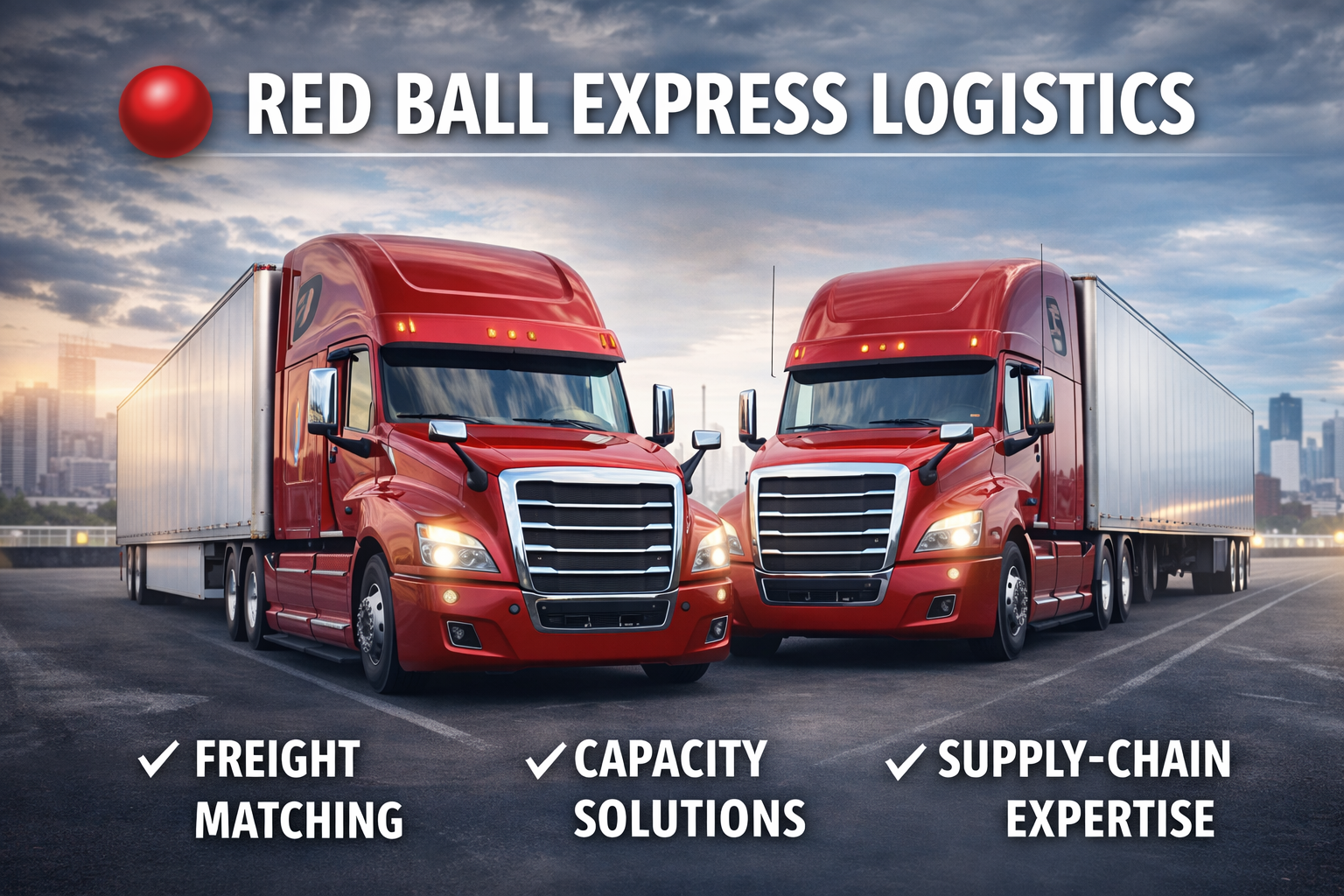
At Red Ball Express, we understand that no two shipments are alike. That’s why combining technology-driven solutions with experienced logistics professionals often delivers the most reliable results.
Final Thoughts
Digital freight marketplaces are reshaping logistics by offering speed, transparency, and automation. Traditional freight brokers, however, remain essential for their expertise, flexibility, and human problem-solving capabilities.
The best choice depends on your shipping needs, risk tolerance, and long-term goals. By understanding the strengths and limitations of both models, businesses can build smarter, more resilient supply chains.
If you’re unsure which approach fits your operation, partnering with a logistics provider that blends technology with hands-on expertise may be the smartest move forward.