AI in Logistics Operations: From Demand Forecasting to Smart Routing
February 3, 2026
In the fast-moving world of logistics, staying competitive means more than moving goods from point A to point B. Today’s logistics leaders are embracing Artificial Intelligence (AI) to transform operations, enhance efficiency, reduce costs, and build resilient supply chains that thrive amid uncertainty. From demand forecasting and dynamic route optimization to warehouse automation and risk-aware planning, AI is reshaping how freight moves around the world and how companies like Red Ball Express Logistics can deliver superior service to their customers.
Why AI Matters in Logistics
Supply chains are more complex than ever — influenced by fluctuating demand, labor shortages, environmental disruptions, and evolving customer expectations. Traditional systems that rely on historical data and manual planning are no longer sufficient. AI’s ability to analyze vast datasets, learn patterns, and generate insights in real time gives logistics operations a strategic edge.
AI adoption in logistics operations is growing rapidly. Research forecasts that a large share of supply chain tasks — from forecasting to planning — will be automated with AI-driven intelligence by 2026, significantly cutting costs and improving operational agility.
1. AI-Powered Demand Forecasting — Predict with Precision
From Guesswork to Data-Backed Predictions
Accurate demand forecasting lies at the heart of efficient logistics — it determines how much inventory to keep, where to position it, and how to allocate transportation resources. Traditional forecasting models fall short when faced with volatile market conditions, seasonality, and sudden disruptions.
AI takes forecasting to the next level. Machine learning models can ingest massive datasets — including historical sales, market trends, promotions, weather patterns, and real-time signals — to predict demand with remarkable accuracy. This helps logistics planners ensure stock availability, minimize excess inventory, and reduce rush shipping costs.
Real-World Examples
• Retail leaders like Target use AI to process millions of data points per hour to detect demand anomalies before they become critical issues.
• Major retailers like Walmart apply AI forecasting across thousands of stores, reducing inventory costs and keeping shelves stocked even during unpredictable spikes.
For Red Ball Express Logistics, AI-driven demand forecasting can mean better planning for peak seasons, shorter lead times, and fewer missed delivery windows — all of which translate into higher customer satisfaction and lower operational waste.
2. Dynamic Route Optimization — Deliver Faster, Smarter
Routing That Reacts to the Real World
Route planning is one of the most complex aspects of logistics. Traditional methods often assume static conditions that rarely reflect real-time realities like traffic congestion, weather delays, vehicle breakdowns, or delivery time windows. AI changes all that.
By analyzing live data from GPS systems, traffic feeds, weather APIs, and historical performance, AI-based route optimization systems can continuously recalibrate delivery plans — maximizing efficiency while minimizing fuel consumption and delays.
Success Stories in Smart Routing
• UPS’s ORION system evaluates thousands of routing options each minute and optimizes millions of daily deliveries, resulting in significant fuel savings and reduced emissions.
• Emerging algorithms in logistics research — such as risk-aware dynamic routing frameworks — combine graph learning with real-time congestion prediction to balance speed and safety.
• Uber Freight leverages AI to reduce empty truck miles and dynamically match loads and routes, which cuts costs and improves asset utilization.
For Red Ball Express Logistics, dynamic AI routing means shorter transit times, lower fuel costs, and better use of fleet capacity, while also allowing rapid responses to unforeseen conditions.
3. Warehouse Automation and Robotics — Reinventing the Fulfillment Floor
AI and Robotics Working Together
Warehouses are no longer static storage spaces; they are dynamic fulfillment hubs where speed and accuracy matter. AI supercharges warehouse operations by powering robotics, predictive planning, and real-time decision support.
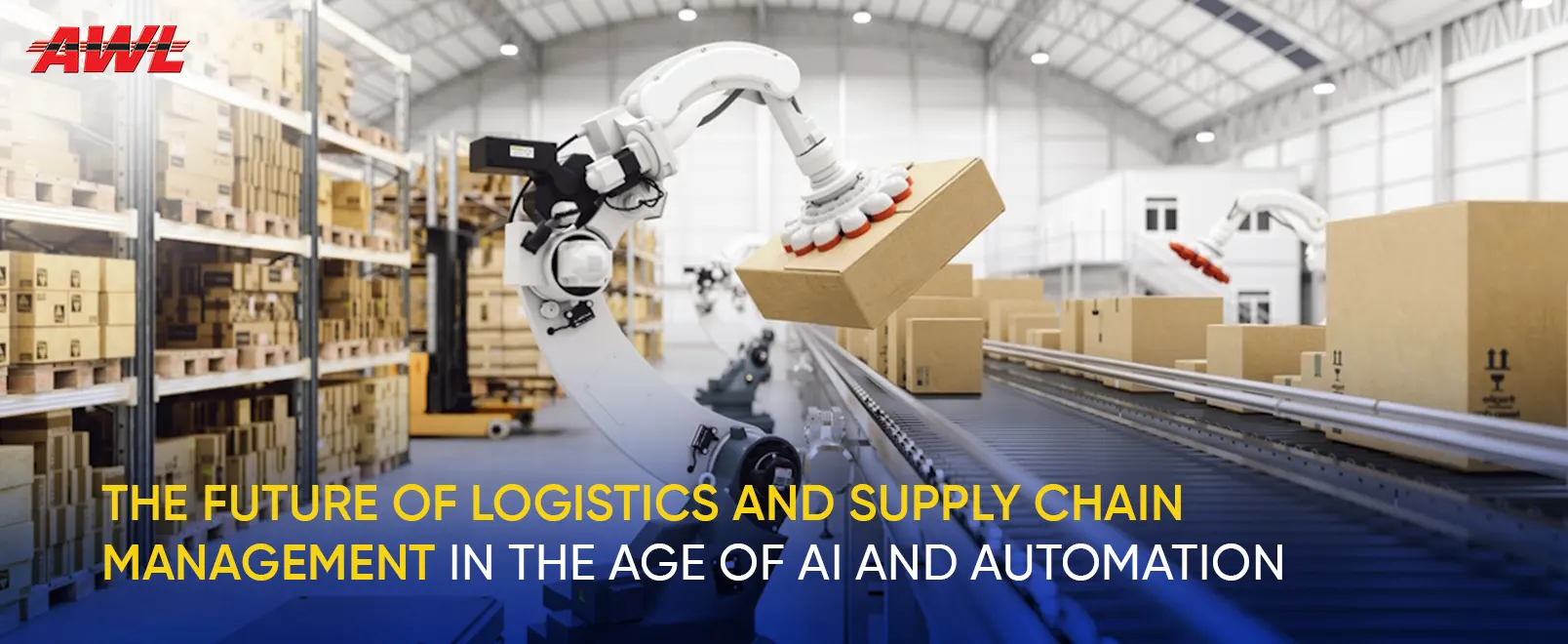
AI-driven robotics and autonomous guided vehicles (AGVs) can perform repetitive tasks — such as picking, packing, and sorting — with higher speed and accuracy. Combined with machine vision and sensor systems, these technologies ensure that orders are processed faster and with fewer errors.
Operational Benefits
According to industry trend reports, AI-powered warehouse automation can increase throughput by up to 40%, cut labor costs, and improve order accuracy — enabling companies to fulfill higher volumes while maintaining quality.
For Red Ball Express Logistics, adopting AI in warehouse management can mean faster fulfillment times, lower handling costs, and improved inventory accuracy — all key drivers of customer delight.
4. Predictive Maintenance — Keep Fleets Moving
Avoid Downtime Before It Happens
AI isn’t just about planning — it’s also about preventing problems. Predictive maintenance uses IoT sensors and machine learning to monitor vehicle health, engine performance, and wear patterns. AI analyzes this data to forecast potential failures before they occur, enabling proactive maintenance scheduling.
Companies like FedEx are already using AI to schedule repairs before breakdowns happen — minimizing unplanned downtime and improving fleet reliability.
For logistics providers, predictive maintenance translates to higher uptime, lower repair costs, and more reliable service — critical in a world where delivery expectations are rising.
5. Real-Time Visibility and Risk Management — See Before It Happens
End-to-End Visibility with Predicative Insights
AI enables logistics professionals to gain complete visibility into their operations — from order placement to final delivery. AI systems can track shipments, monitor environmental conditions (like temperature in cold chains), and predict risks such as delays, bottlenecks, or supply disruptions.
This real-time visibility helps logistics teams make better decisions, communicate proactively with customers, and mitigate issues before they escalate.
Companies like DHL use AI to monitor their global networks, reroute shipments proactively, and stabilize delivery performance.
6. Customer Experience — AI That Delights End Buyers
AI’s impact isn’t limited to operations; it also drives better customer experiences. From more accurate delivery ETAs to automated customer support, AI improves transparency and responsiveness.
In last-mile delivery, AI models can optimize schedules to reflect busy urban traffic or anticipate theft risks, helping ensure more reliable service. AI-powered chatbots and virtual assistants also reduce customer inquiries and improve responsiveness — creating a smoother service journey.
Conclusion — AI Is Not the Future — It’s the Now
AI in logistics is no longer optional experimentation — it’s a business imperative. Across demand forecasting, route optimization, warehouse automation, fleet maintenance, and customer engagement, AI tools are delivering measurable benefits: lower costs, faster operations, and resilient supply chains.
For a logistics leader like Red Ball Express Logistics, embracing AI means:
-
Better forecasting that aligns inventory with actual demand.
-
Smart routing that cuts delivery times and fuel costs.
-
Automated warehouses that fulfill orders faster and more accurately.
-
Predictive insights that keep fleets moving and operations risk-aware.
-
Enhanced customer experiences that build loyalty and trust.
As global trade and delivery expectations grow, AI will continue to differentiate leaders from laggards. Logistics companies that harness AI’s full potential will operate leaner, respond faster, and deliver value that elevates both their bottom line and customer satisfaction rates.
