Digital Load Boards: How They Improve Capacity Utilization
February 18, 2026
In today’s fast-moving logistics industry, efficiency is everything. With rising fuel costs, driver shortages, and increasing customer expectations, carriers and shippers are constantly looking for ways to move freight smarter and faster. One of the most powerful tools transforming freight operations is the digital load board. Digital load boards have changed the way carriers find loads, brokers match capacity, and shippers move freight. Most importantly, they play a major role in improving capacity utilization — ensuring trucks spend more time moving freight and less time sitting empty. This article explains what digital load boards are, how they work, and how they help maximize capacity utilization across the logistics network.
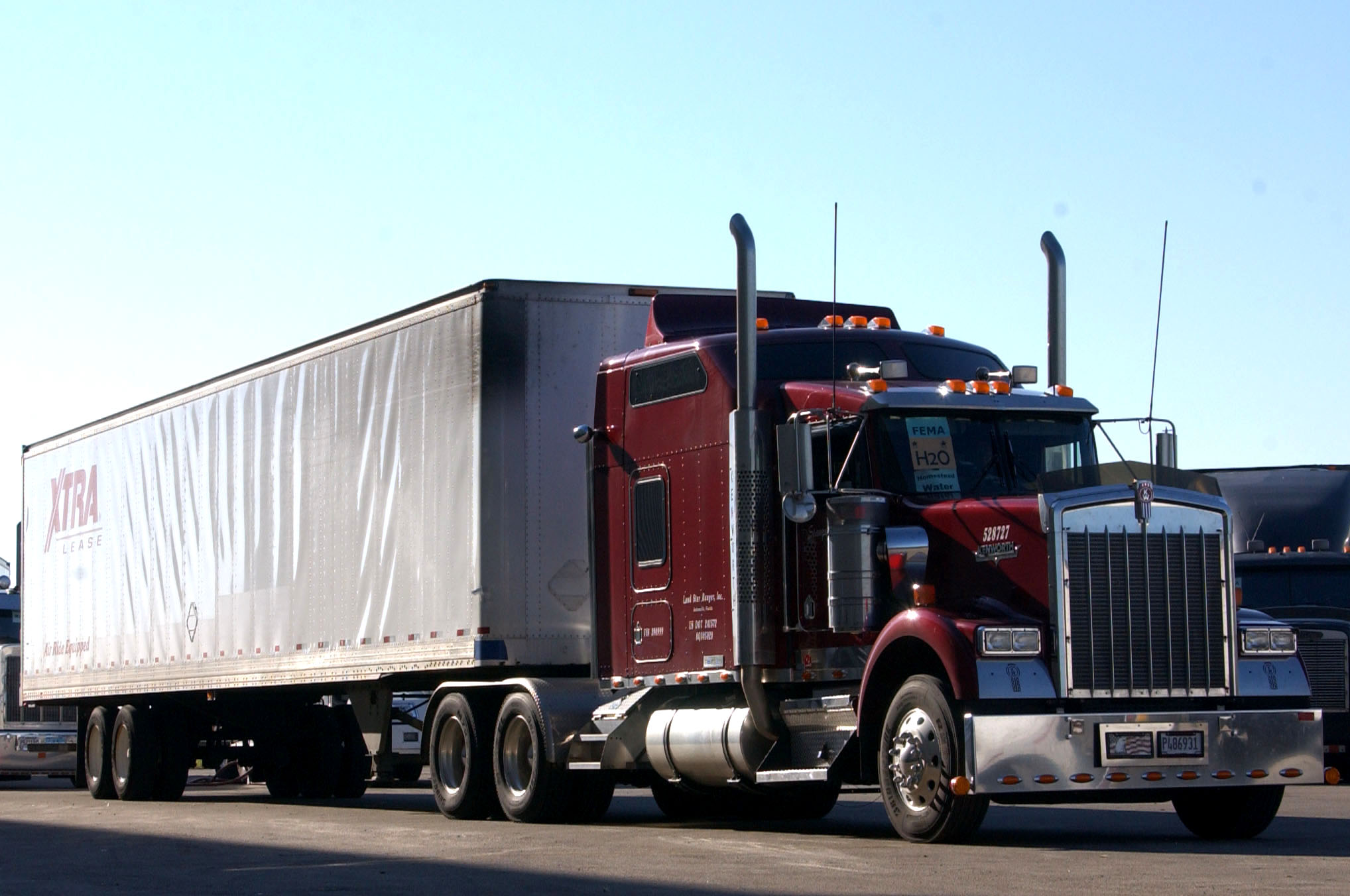
What Is a Digital Load Board?
A digital load board is an online platform where freight loads and available trucks are posted and matched in real time.
It connects three key players:
-
Shippers who need freight moved
-
Brokers who coordinate transportation
-
Carriers who have available trucks
Instead of making multiple phone calls or sending emails, carriers can simply log in, search for loads based on their route, equipment type, and location, and book freight quickly.
Modern digital load boards also offer:
-
Real-time load updates
-
Rate visibility
-
Instant booking options
-
Route filtering
-
Carrier performance data
-
Mobile app access
These features help reduce delays and improve operational efficiency.
Understanding Capacity Utilization in Trucking
Capacity utilization refers to how effectively available trucks and trailer space are used.
Poor capacity utilization happens when:
-
Trucks run empty (deadhead miles)
-
Partial trailer space goes unused
-
Drivers wait too long between loads
-
Loads are not matched efficiently with nearby trucks
Low utilization increases operating costs and reduces profitability. Every empty mile means wasted fuel, time, and driver effort.
Digital load boards help solve these problems by improving load visibility and matching capacity faster.
How Digital Load Boards Improve Capacity Utilization
1. Reducing Empty Miles (Deadhead)
One of the biggest challenges in trucking is deadhead miles — when a truck travels empty after delivering a load.
Digital load boards allow carriers to:
-
Search for loads near their delivery location
-
Filter loads by radius and route direction
-
Book backhauls quickly
By finding return loads faster, carriers reduce empty miles and keep trucks earning.
2. Faster Load Matching
Traditional freight booking often involves multiple calls and negotiations, which takes time. During this delay, trucks remain idle.
Digital load boards provide:
-
Instant load availability
-
Real-time booking options
-
Automated load matching
This speed ensures trucks spend more time moving freight instead of waiting.
3. Better Route Planning
Advanced digital platforms allow carriers to plan loads along a preferred route.
For example:
-
A carrier delivering in Texas can search for loads going toward their home base or next destination.
-
Multiple loads can be planned sequentially to avoid downtime.
This improves fleet productivity and increases revenue per truck.
4. Access to a Larger Network
Digital load boards connect carriers to thousands of brokers and shippers across the country.
Benefits include:
-
More load opportunities
-
Better geographic coverage
-
Consistent freight availability
With a larger pool of options, trucks are less likely to remain idle.
5. Improved Trailer Space Utilization
Some digital platforms support partial load matching (LTL or partial truckload).
This helps carriers:
-
Fill unused trailer space
-
Combine multiple shipments
-
Maximize load efficiency
Instead of running half-empty trailers, carriers can use available space to increase earnings.
6. Real-Time Market Visibility
Digital load boards provide valuable market data, including:
-
Freight demand by region
-
Average rates
-
Capacity availability
Carriers and brokers can reposition equipment to high-demand areas, ensuring better utilization and profitability.
7. Mobile Accessibility for Drivers
Most modern load boards offer mobile apps, allowing drivers to:
-
Search and book loads on the go
-
Receive load notifications
-
Update status in real time
This flexibility helps reduce delays between deliveries and keeps trucks moving.
Benefits for Brokers and Shippers
Digital load boards don’t just benefit carriers. Brokers and shippers also gain significant advantages.
Faster Coverage
Brokers can post loads and receive carrier responses within minutes, reducing the time needed to secure capacity.
Better Capacity Matching
Loads can be matched with carriers already operating nearby, improving efficiency and reducing costs.
Reduced Freight Delays
Real-time visibility ensures faster booking and improved delivery performance.
Role of Digital Load Boards in a Tight Capacity Market
During peak seasons or capacity shortages, digital load boards become even more valuable.
They help:
-
Identify available trucks quickly
-
Optimize equipment distribution
-
Avoid last-minute disruptions
-
Maintain service levels
For logistics companies, this technology provides a competitive advantage in a challenging market.
Integration with Modern Logistics Technology
Today’s digital load boards are often integrated with:
-
Transportation Management Systems (TMS)
-
GPS tracking and real-time visibility tools
-
Automated rate negotiation systems
-
Carrier compliance and onboarding tools
These integrations create a more connected and efficient freight ecosystem, further improving capacity utilization.
Challenges and Best Practices
While digital load boards offer many benefits, success depends on proper usage.
Best practices include:
-
Keeping truck availability updated in real time
-
Using route filters strategically
-
Building relationships with reliable brokers
-
Monitoring market rates before booking
-
Avoiding low-quality or fraudulent postings
When used correctly, digital load boards become a powerful operational tool.
The Future of Digital Load Boards
The next generation of digital load boards will include:
-
AI-powered load recommendations
-
Predictive demand forecasting
-
Automated booking and pricing
-
Real-time capacity optimization
-
Enhanced fraud prevention
As technology advances, digital platforms will continue to improve efficiency and reduce waste across the logistics industry.
Conclusion
Capacity utilization is one of the most important factors affecting profitability in trucking and logistics. Every empty mile, idle truck, or unused trailer space increases costs and reduces efficiency.
Digital load boards provide a smart solution by offering real-time load visibility, faster matching, better route planning, and access to a nationwide network. By reducing deadhead miles and keeping trucks moving, these platforms help carriers maximize revenue while enabling brokers and shippers to move freight more efficiently.
For logistics companies looking to stay competitive, adopting digital load board technology is no longer optional — it’s essential for smarter operations and better capacity management.
At Red Ball Express Logistics, we leverage advanced digital tools and a strong carrier network to match loads quickly and keep freight moving efficiently across the United States. Our goal is to maximize capacity utilization while delivering reliable, cost-effective transportation solutions for our clients.