Customer Experience Improvements in Logistics: Faster Deliveries, Transparent Tracking, and Smarter Communication Tools
December 10, 2025
In today’s fast-moving digital world, customer expectations have never been higher—especially in logistics. Whether it’s e-commerce shipments, B2B freight, or last-mile delivery, customers demand speed, accuracy, and total visibility. The companies that win in 2025 and beyond are those that provide a seamless, transparent, and reliable delivery experience. Logistics is no longer just about moving packages; it’s about creating trust. In this article, we explore how faster deliveries, transparent tracking, and advanced communication tools are transforming customer experience and why these improvements are now essential for every logistics company.
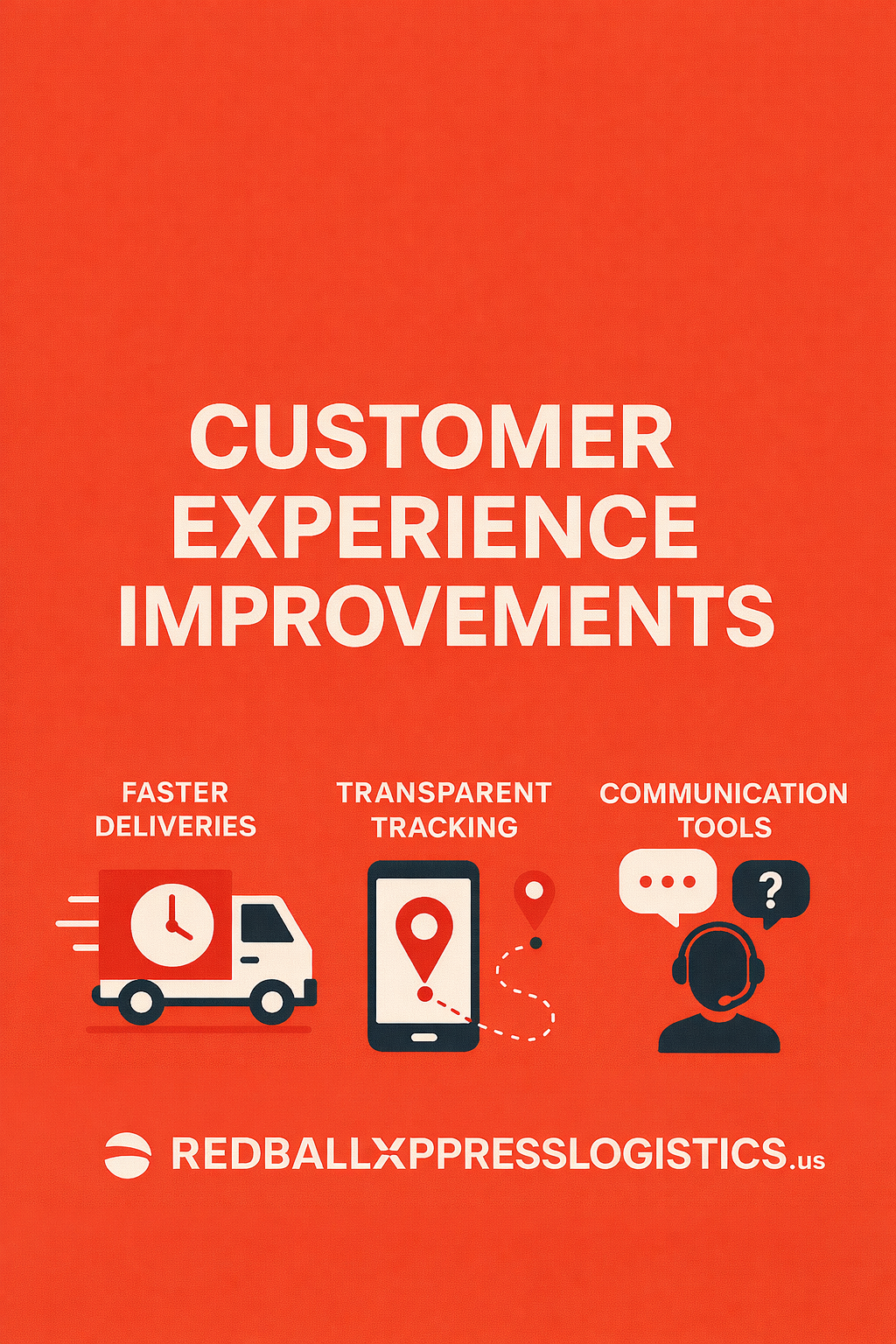
1. Faster Deliveries: Speed Is the New Standard
The Expectations Have Changed
Not long ago, 5–7 business days was normal for delivery. Today, customers expect next-day or even same-day shipping—especially in retail and e-commerce. Businesses like Amazon have raised the bar, and customers expect that level of speed from all logistics providers, big or small.
For logistics companies, speed is no longer a bonus feature. It’s a standard requirement.
How Speed Enhances Customer Experience
-
Increases customer trust
Faster delivery builds reliability. When customers receive shipments sooner than expected, satisfaction increases significantly. -
Reduces customer anxiety
Long waits create uncertainty. Faster shipping eliminates that stress. -
Boosts repeat business
Studies show that customers who receive fast and accurate deliveries are more likely to reorder and recommend the service.
Technologies Making Deliveries Faster
-
AI-based route optimization reduces travel time.
-
Automated warehouses speed up sorting and loading.
-
Micro-fulfillment centers bring inventory closer to customers.
-
Electric bikes and small EVs speed up congested last-mile delivery in urban areas.
Faster delivery is not just about moving quickly; it’s about smarter planning and better use of data.
2. Transparent Tracking: Visibility Builds Confidence
Why Tracking Matters More Than Ever
Customers today want to know where their package is at every moment—not just “in transit.” Full visibility reduces customer complaints, calls, and confusion. It also builds trust because customers feel in control of their shipment.
Transparent tracking has become so important that 90% of customers say they are more likely to shop from brands that offer real-time tracking updates.
Benefits of Transparent Tracking
-
Reduces “Where is my package?” calls
Good tracking systems can cut customer support calls by 40–60%. -
Increases customer satisfaction
Customers love seeing real-time progress, photos of deliveries, and exact ETAs. -
Builds brand loyalty
Reliable tracking creates a smooth experience customers remember.
Modern Tracking Features Customers Expect
-
Real-time GPS tracking
-
Live ETA countdown
-
Map-based visibility
-
Driver identification
-
Proof of delivery with photo or signature
-
Status alerts at every stage (Picked up → In transit → Out for delivery → Delivered)
How Transparent Tracking Improves Company Efficiency
Tracking isn’t just for customers—it also helps logistics teams.
Dispatchers can:
-
Identify delays instantly
-
Predict delivery times more accurately
-
Communicate better with drivers
-
Solve issues before customers even notice
In 2025, tracking is not optional—it’s a competitive advantage.
3. Smart Communication Tools: Staying Connected Every Step of the Way
Why Communication Matters
A delivery may be fast and well-tracked, but poor communication can ruin the customer experience. Customers want consistent updates, quick responses, and clear information when something goes wrong.
Good communication tools help build confidence and reduce frustration.
Modern Communication Tools Transforming Logistics
-
Automated SMS & Email Alerts
Customers receive instant updates:-
Order confirmed
-
Shipment picked up
-
Out for delivery
-
Delivery successful
-
-
WhatsApp Business Messaging
A growing trend in 2025—customers can chat directly with support, get updates, or check tracking links instantly. -
AI-powered chatbots
These bots answer common questions 24/7 and reduce support workload. -
In-app notifications
For regular customers, in-app alerts provide the best real-time experience. -
Customer feedback systems
After delivery, automated feedback collection helps companies find weak points and improve faster.
Benefits of Better Communication
-
Fewer complaints
Customers who receive consistent updates are less likely to feel anxious. -
Faster issue resolution
Clear communication helps identify and solve delivery issues earlier. -
More positive reviews
Happy customers leave better feedback, improving brand reputation.
Communication During Delays: A Make-or-Break Moment
Customers don’t hate delays—they hate not knowing about delays.
A quick message like:
"Your delivery is delayed due to traffic but will arrive at 6 PM"
can prevent frustration and avoid negative feedback.
Smart communication creates transparency even when things don’t go perfectly.
4. The Power of Combining Speed, Tracking & Communication
Individually, each element improves the customer experience. But together, they create something even stronger:
A Complete, Stress-Free Delivery Journey
-
Fast delivery satisfies customer expectations.
-
Real-time tracking keeps them informed.
-
Smart communication ensures they never feel lost or ignored.
This complete experience increases:
-
Customer satisfaction
-
Repeat orders
-
Positive reviews
-
Brand loyalty
Companies that combine all three outperform competitors and retain more customers long term.
5. How Logistics Companies Can Implement These Improvements
If you're a logistics company looking to enhance customer experience, here’s how to start:
Step 1 – Upgrade tracking technology
-
Use GPS-enabled tracking for drivers
-
Integrate barcode scanning for accuracy
-
Send automated updates
Step 2 – Speed up operations
-
Improve route planning
-
Streamline warehouse processes
-
Use automation where possible
Step 3 – Improve communication
-
Use automated SMS/WhatsApp updates
-
Add chat support on the website
-
Provide customer-facing dashboards
Step 4 – Collect feedback & optimize
-
Analyze customer ratings
-
Review delivery performance
-
Improve your weakest points
Simple technology improvements can transform the entire customer journey.
Conclusion: The Future of Customer Experience in Logistics
Customer experience is now the heart of the logistics industry. Faster deliveries, transparent tracking, and smart communication tools are no longer optional—they are essential. With customer expectations rising every year, the companies that embrace technology and prioritize communication will lead the market.
A shipment is not just a package—it’s a customer’s trust.
When logistics companies deliver fast, stay transparent, and communicate clearly, they create a strong and lasting relationship with their customers.